About
The Cohutta Wilderness
The largest wilderness in the Southern Appalachians, and one of the least known.
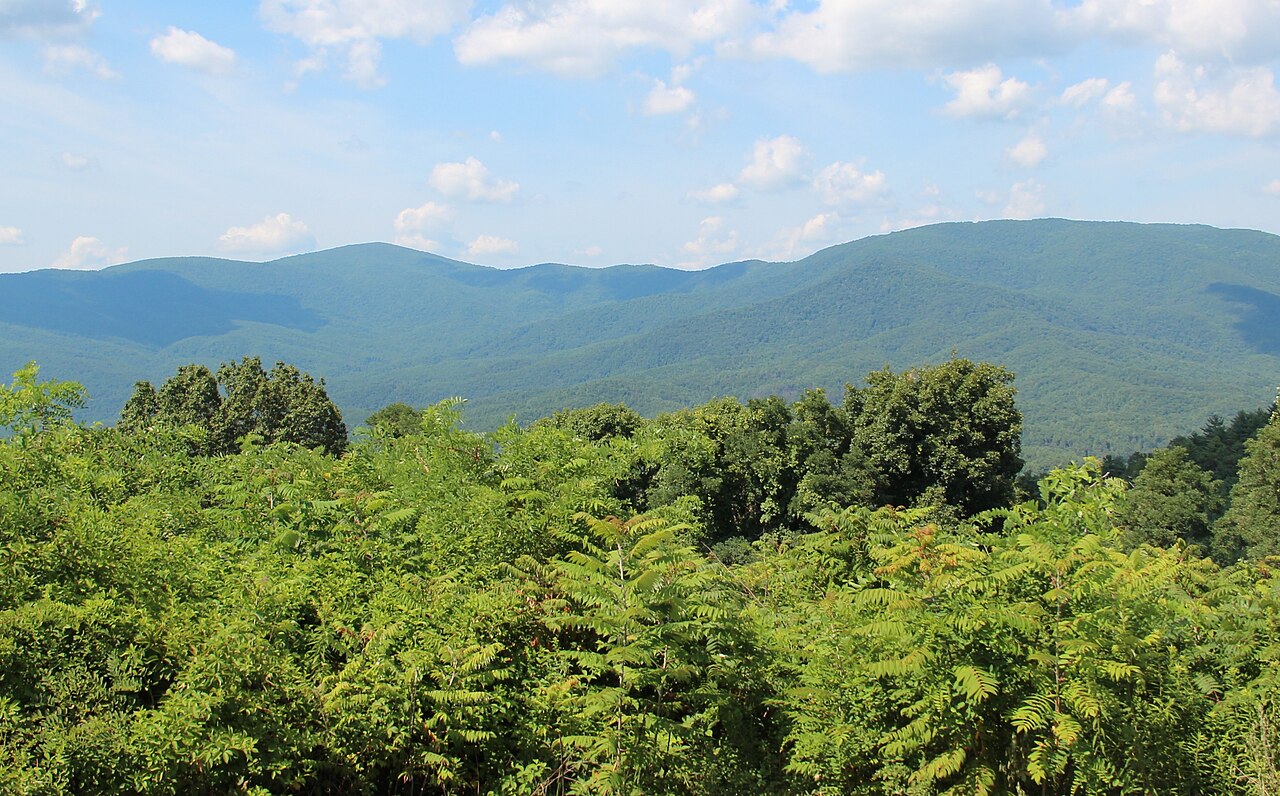
Ask most Georgians about mountains and they picture the Blue Ridge Parkway, the overlooks with names and parking lots. The Cohuttas sit in the same state and are a different range entirely, and most Georgians have never walked into them.
The Cohutta Wilderness covers 36,977 acres in the Blue Ridge foothills of north Georgia, with a small corner reaching into Tennessee. Most of it sits in the Chattahoochee National Forest, in Fannin, Murray, and Gilmer counties. It was Georgia's first congressionally designated wilderness, set aside in 1975 and expanded in 1986. Combined with the adjoining Big Frog Wilderness across the state line, it forms the largest contiguous wilderness in the national forest system east of the Mississippi.
Cowpen Mountain, at 4,150 feet, is the high point on the Georgia side. Big Frog Mountain, just across the line in Tennessee, tops out higher at 4,224 feet. Lake Conasauga sits at about 3,150 feet, the highest lake in Georgia.
The 36,977 acres of the Cohutta Wilderness is the legally designated core, but it is not the whole landscape. The wilderness sits entirely inside the 95,265-acre Cohutta Wildlife Management Area, and across the Tennessee line it continues directly into the Big Frog Wilderness, 8,082 acres of its own designation, without a fence or a change in character at the state line. Together, Cohutta and Big Frog hold 45,112 acres and 127 miles of trail across two states, the largest contiguous federally designated wilderness east of the Mississippi. Count the surrounding wildlife management land and the greater landscape runs past 100,000 acres. Big Frog Mountain, the high point of the whole range, stands in Tennessee, not Georgia. This guide covers the Georgia trails in detail. The mountain does not stop being one range just because the trail data does.
Geologists group the Cohuttas with the Unaka Range, the chain of mountains that runs along the Tennessee line and includes the Great Smoky Mountains. The Cohuttas are the southern end of that chain: older and more rugged than the Blue Ridge that most visitors to north Georgia actually see, and closer in character to the high, wild country around the Smokies than to anything closer to Atlanta.
The Conasauga River drains out of this country and carries more aquatic species than the Columbia and Colorado watersheds combined: over 90 fish species and 25 kinds of freshwater mussel. Fourteen species of salamander live in these mountains, among the richest salamander ground on Earth. Grassy Mountain alone holds nine species of Trillium, more than any other single mountain that has been counted.
The ridges here run flat-topped and round, carrying black soil deep enough to grow ferns and waist-high herb layers where most of the Blue Ridge would show bare rock. That is not an accident of these particular mountains. It is the reason the high ground looks the way it does.
Almost everything in this range drains toward the Coosa River basin: Holly Creek, the Jacks River, the Conasauga River, Mill Creek, and, on the Tennessee side, Big Frog's own creeks by way of the Ocoee. Two creeks are the exception. Tumbling Creek and Fighting Town Creek sit on the north side of the Tennessee Valley divide, among the few streams in the whole Cohutta range that drain to the Tennessee River instead. The line runs through the same country as everything else here, invisible on the ground and easy to miss unless you know to look for it.
The name Cohutta is traditionally translated from Cherokee as a shed roof supported by poles, a description of the shape of the ridgeline. About seventy percent of what is now wilderness was logged between 1915 and 1930, and the forest visitors walk through today is regrowth over that history, not untouched ground.
About 60,000 people visit each year. Most come for a handful of trails. The rest of the range stays as quiet as it has been for a long time.
Come here for the trail count and the acreage, if that is what gets you off the couch. Stay for the version of Georgia most of the state does not know exists: older ground, wetter weather, quieter woods, and a river that has been running the same course since before anyone thought to name it.