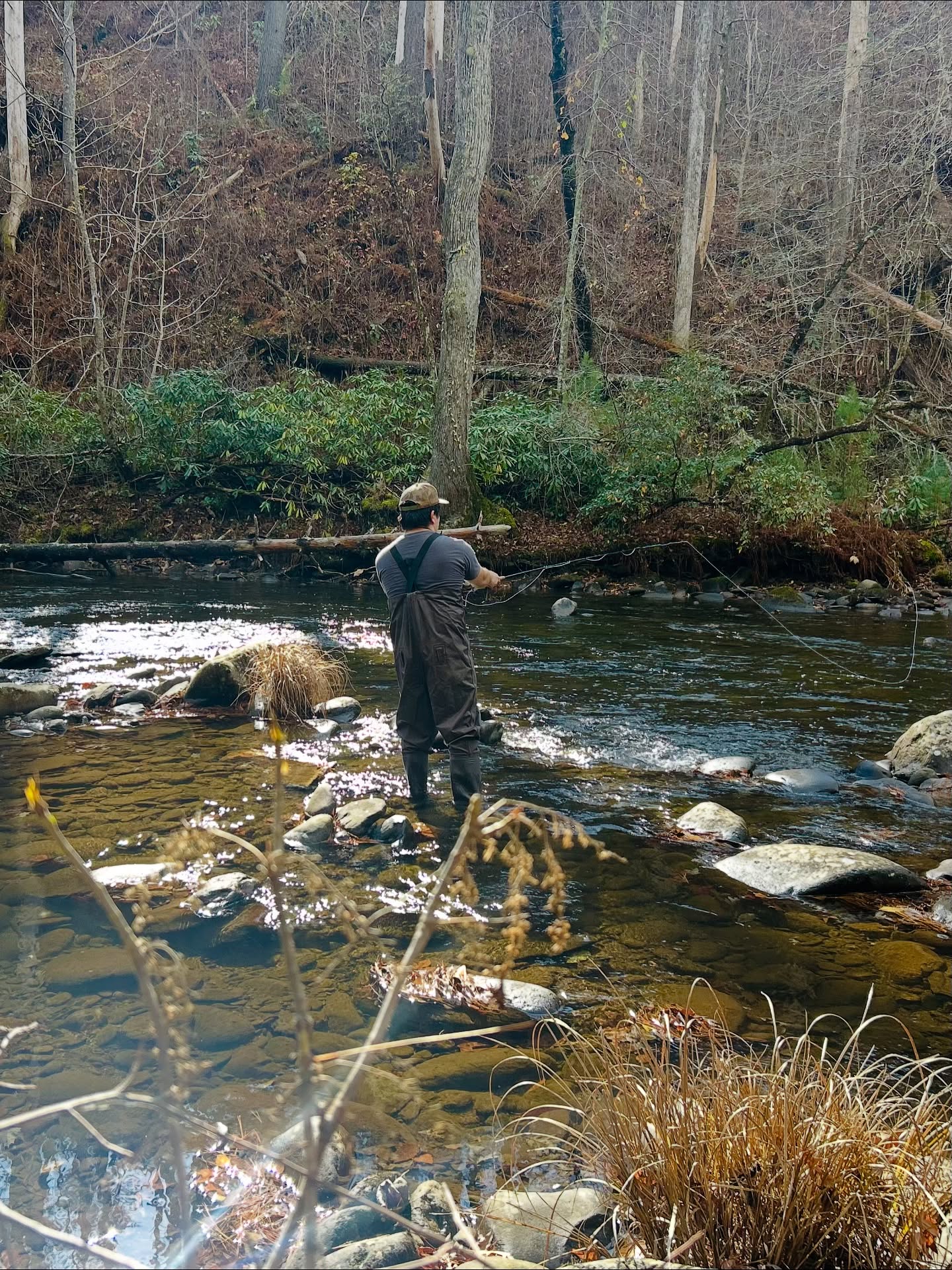
Beech Bottom Trail
The standard way in to Jacks River Falls, on an old grade with one crossing at the end.
10 mi round trip | 990 ft | Moderate
Jacks River watershed
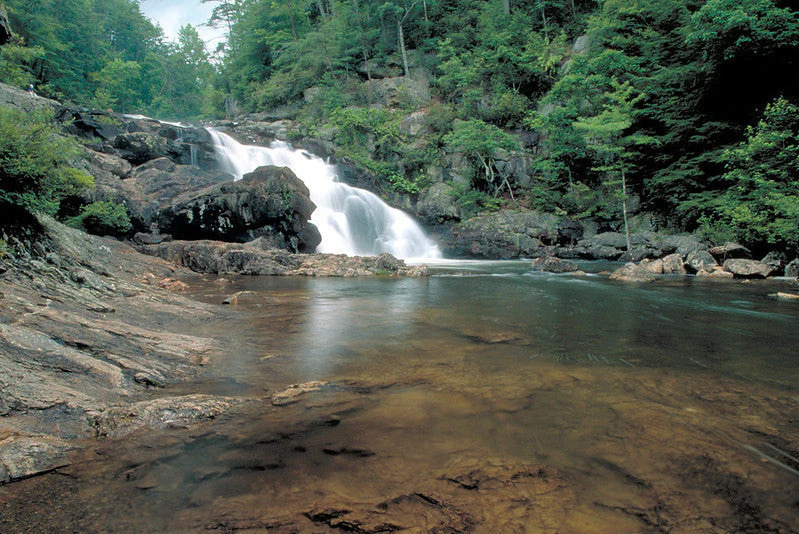
North Georgia
37,000 acres of wild country in the Chattahoochee National Forest. Rugged trails, clear rivers, and a long way from nowhere.
Browse the trailsThe bigger picture
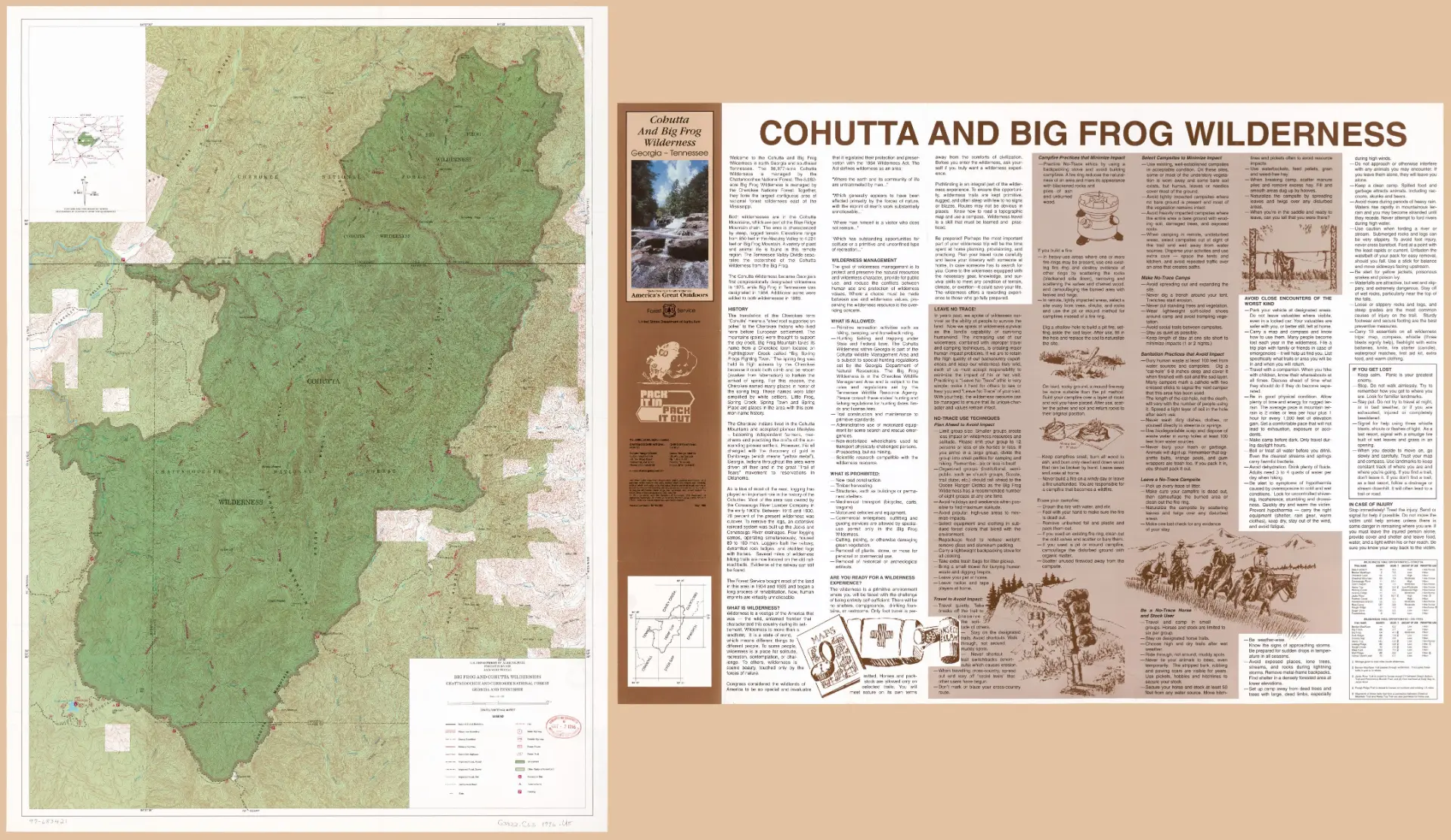
The 37,000 acres of the Cohutta Wilderness is the legally protected core, and it sits inside a much bigger landscape. The Cohutta Wildlife Management Area surrounds it at 95,265 acres, and across the Tennessee line the range continues without a break into the Big Frog Wilderness. Combined, Cohutta and Big Frog form the largest contiguous federally designated wilderness east of the Mississippi, and the greater landscape around them runs past 100,000 acres.
The forty five trails in this guide cover the core and the surrounding landscape. The rivers that cut through them are why most of the walking here is wet.
The rivers
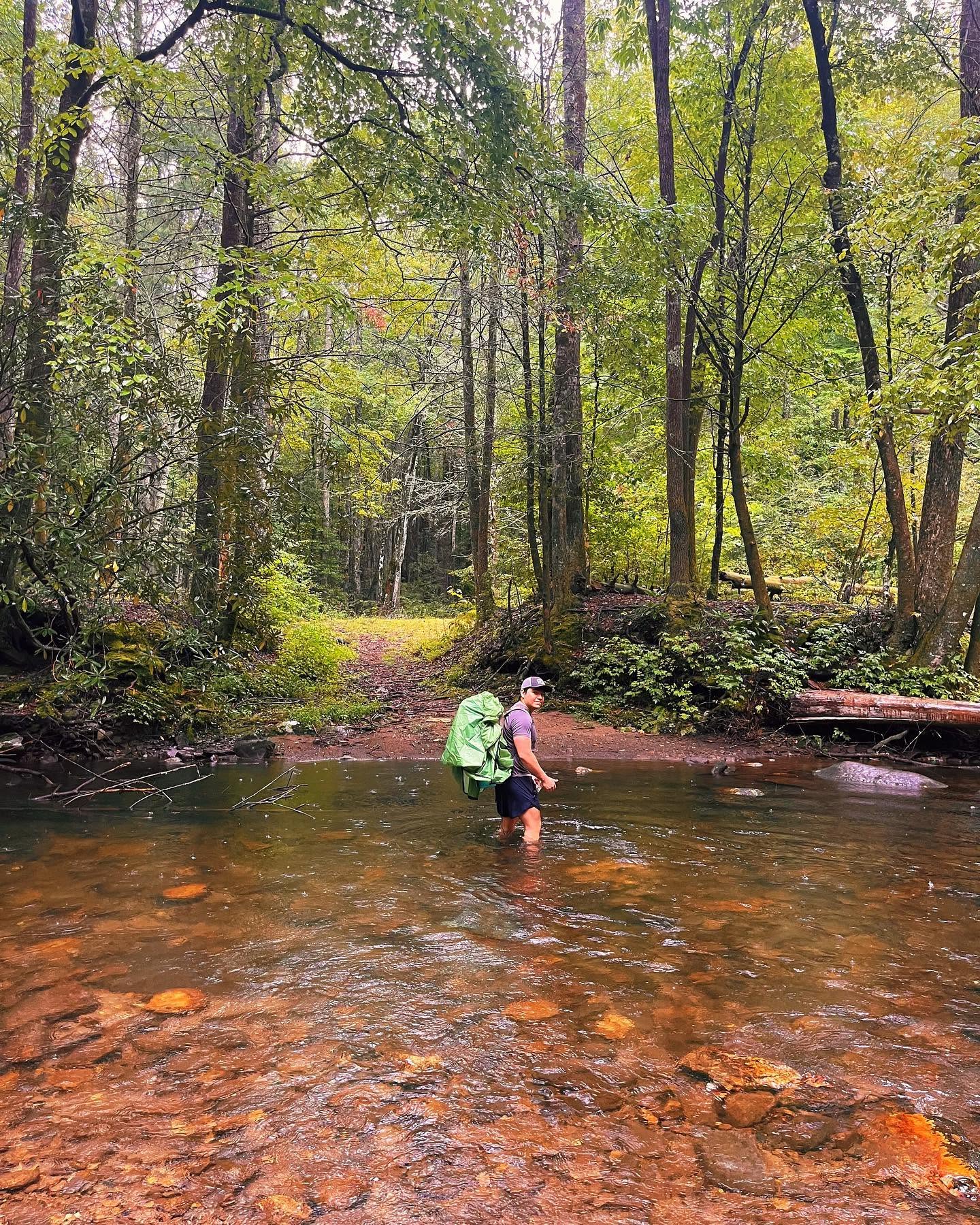
The Jacks and the Conasauga run through the heart of the Cohuttas, and the trails follow them rather than avoid them. You will cross them. A lot.
The Conasauga River Trail crosses the water thirty-eight times in thirteen miles. The Jacks River Trail crosses forty-two times over its full length.
They run clear and cold through hardwoods and hemlock, laurel and rhododendron, over granite and old logging grades. This is mountain country shaped by water.
Hydrological regions of the Cohutta Wilderness
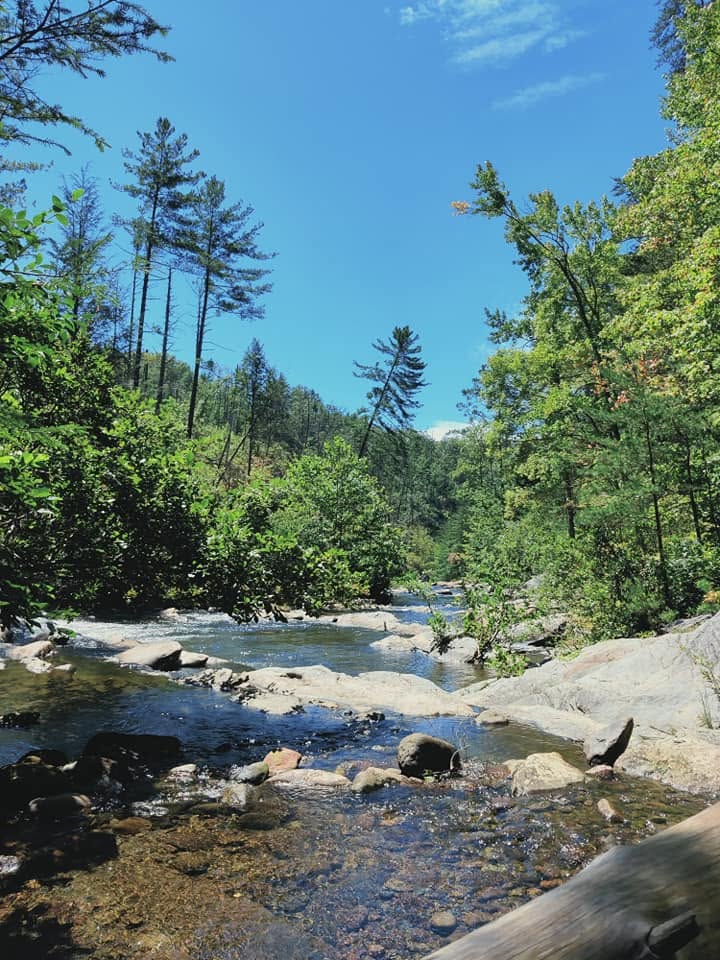
The Jacks drains the north side of the wilderness and carries the most water. Its trails follow the river rather than avoid it, which means repeated fords and long wet days.
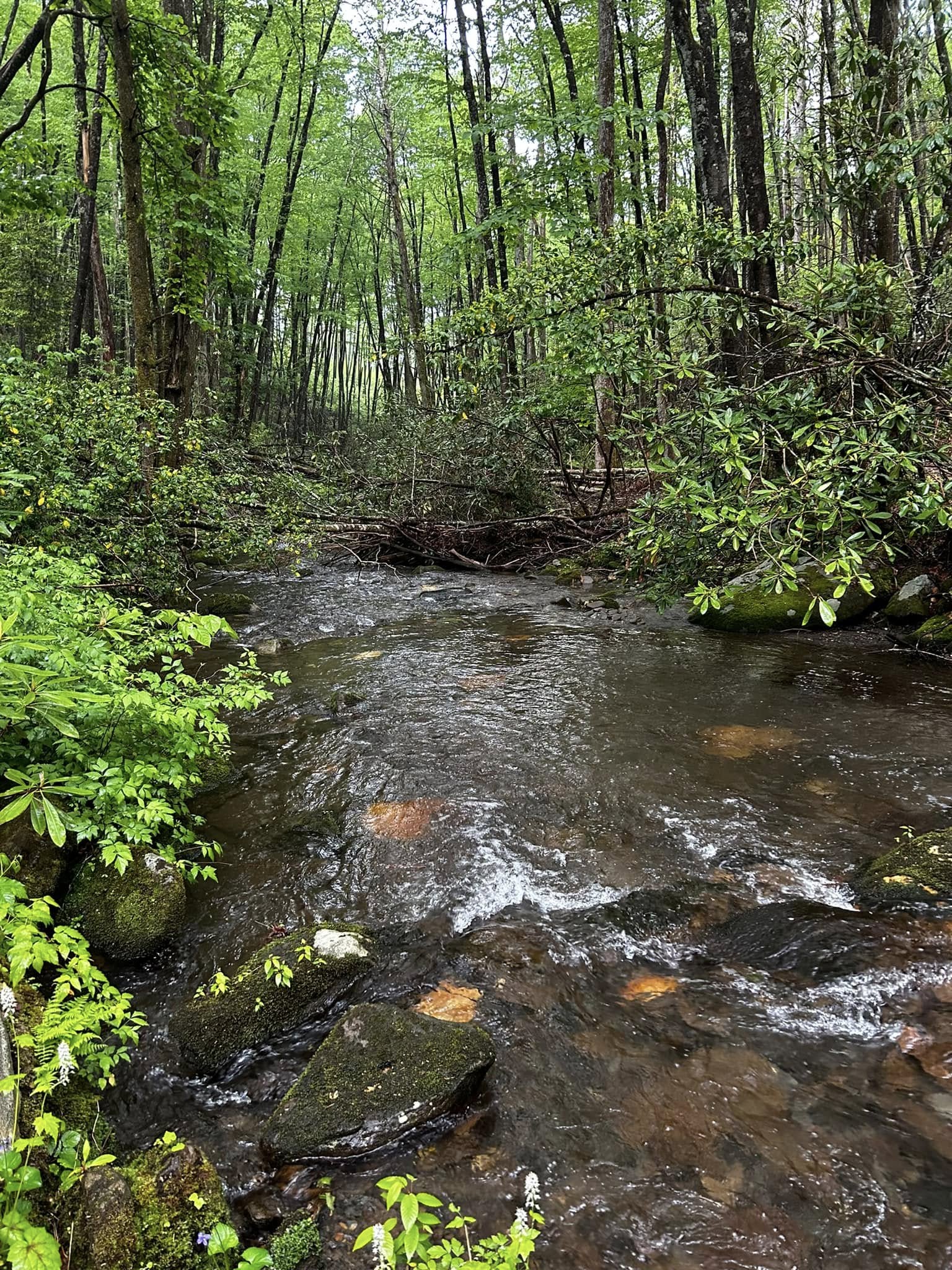
Clear, cold, and shallow enough to see the bottom in most seasons. The Conasauga corridor is the most-crossed water in the range and the best fishing in it.
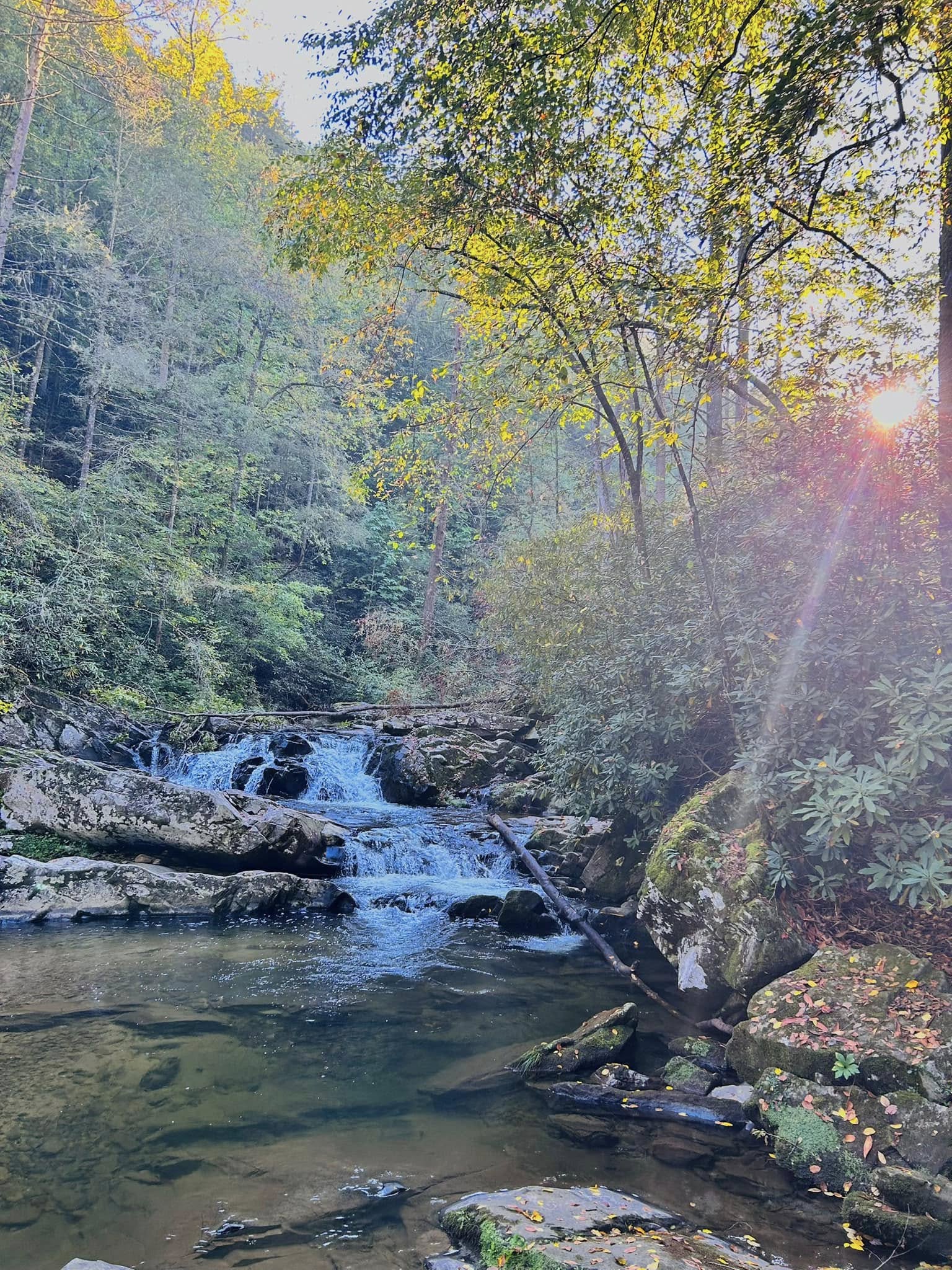
The Chatsworth approach. Steeper grades off the western escarpment, quicker access from Highway 411, and drier ridgeline walking than the river corridors.
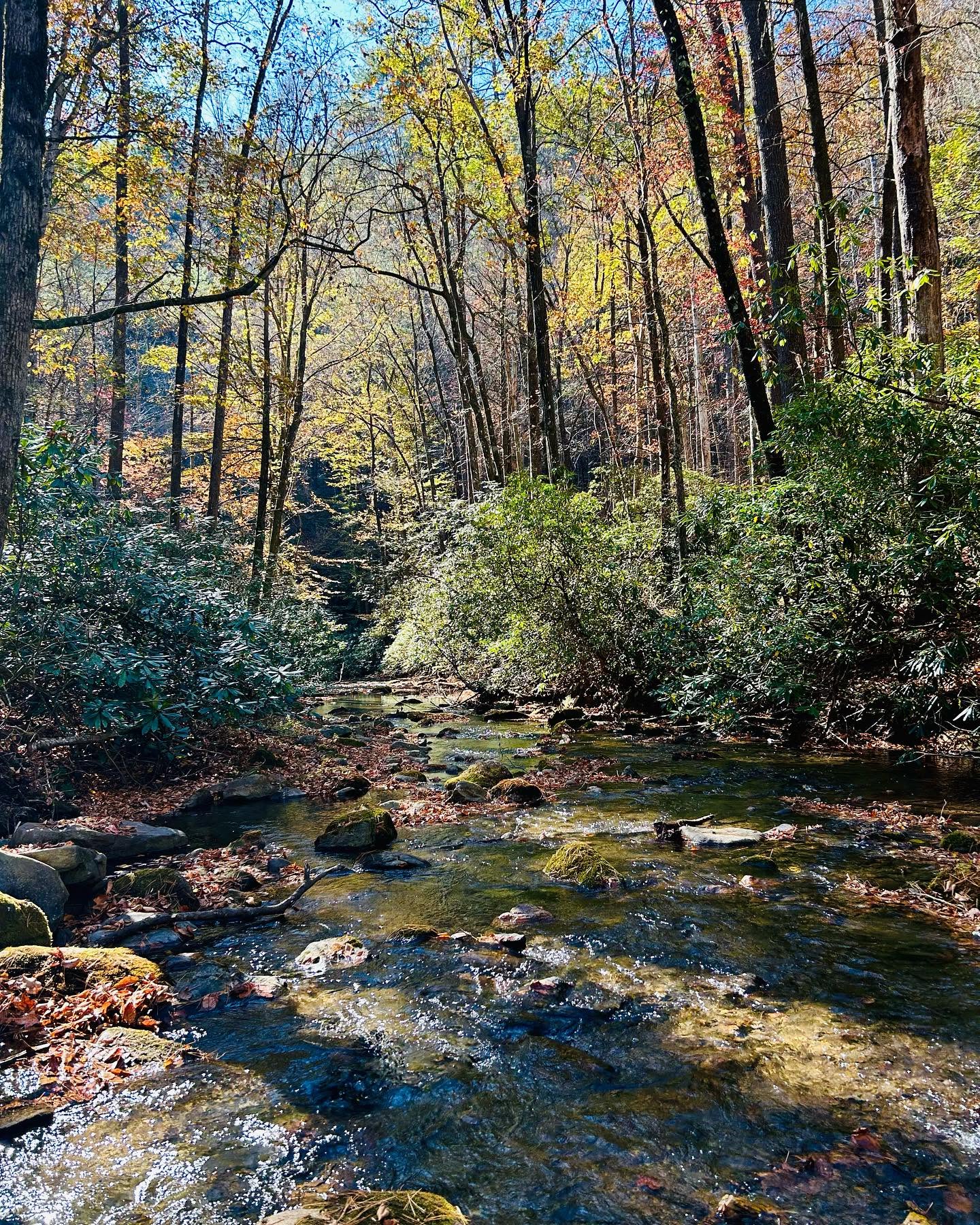
Outside the designated wilderness on the Ellijay side, where old logging grades make for gentler trail and where bicycles are legal on several routes.
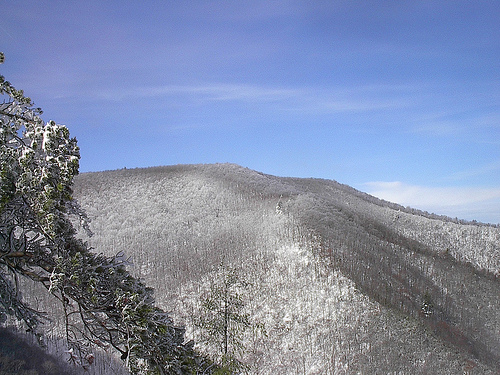
Big Frog Wilderness picks up where the Cohutta leaves off, across the Tennessee line, and every serious guide to this range has always treated the two as one mountain rather than two. Water here drains toward the Ocoee River, by way of Rough Creek, Big Creek, and their forks, a different river system than the Coosa basin the rest of the Cohuttas feed. Part of Big Frog Mountain itself sits back across the Georgia line.
Start here
The standard way in to Jacks River Falls, on an old grade with one crossing at the end.
10 mi round trip | 990 ft | Moderate
Jacks River watershed
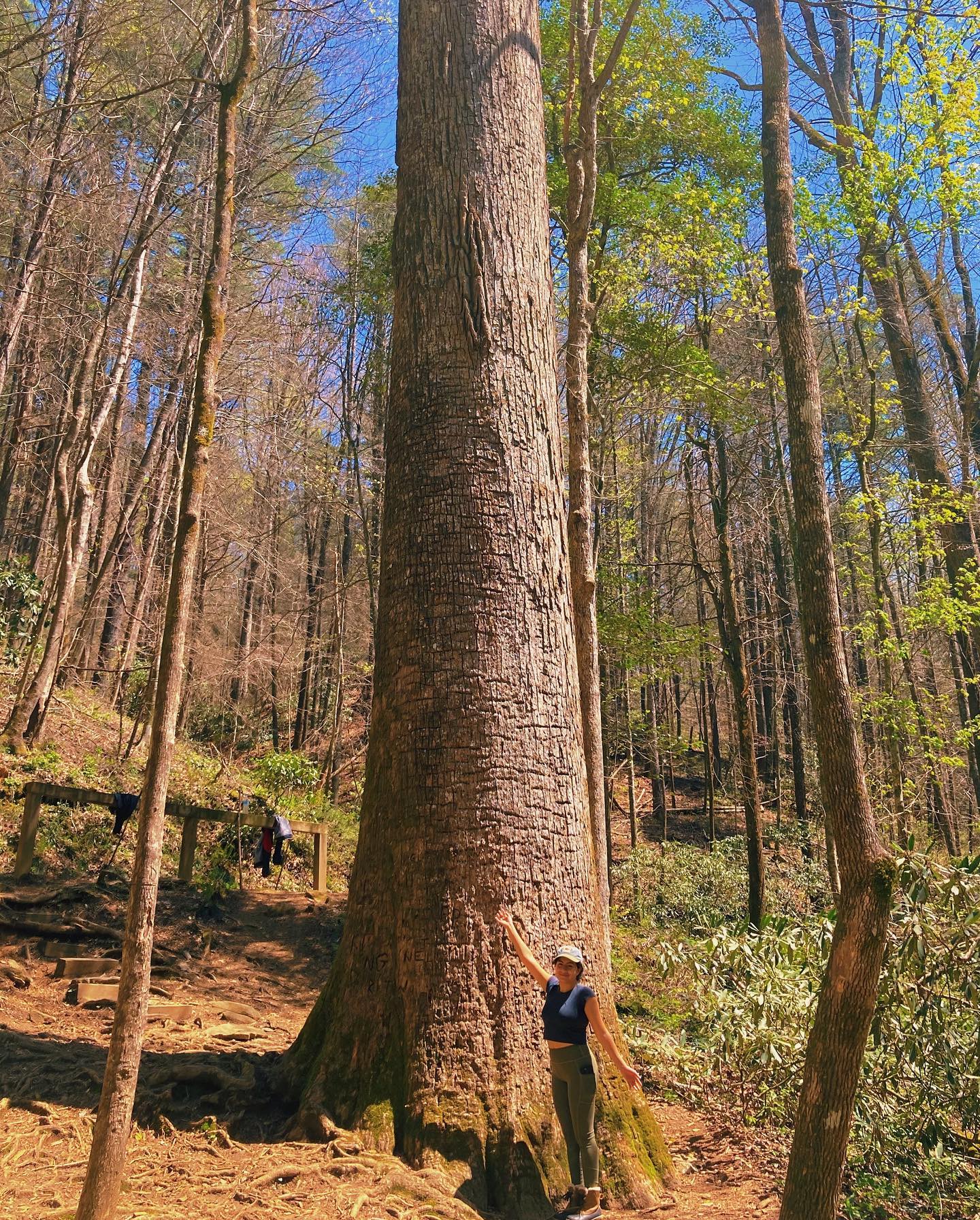
A loop to the Gennett Poplar, open to bikes, and the busiest trail on this list.
8.5 mi loop | 1,122 ft | Moderate
Mountaintown and Bear Creek watershed
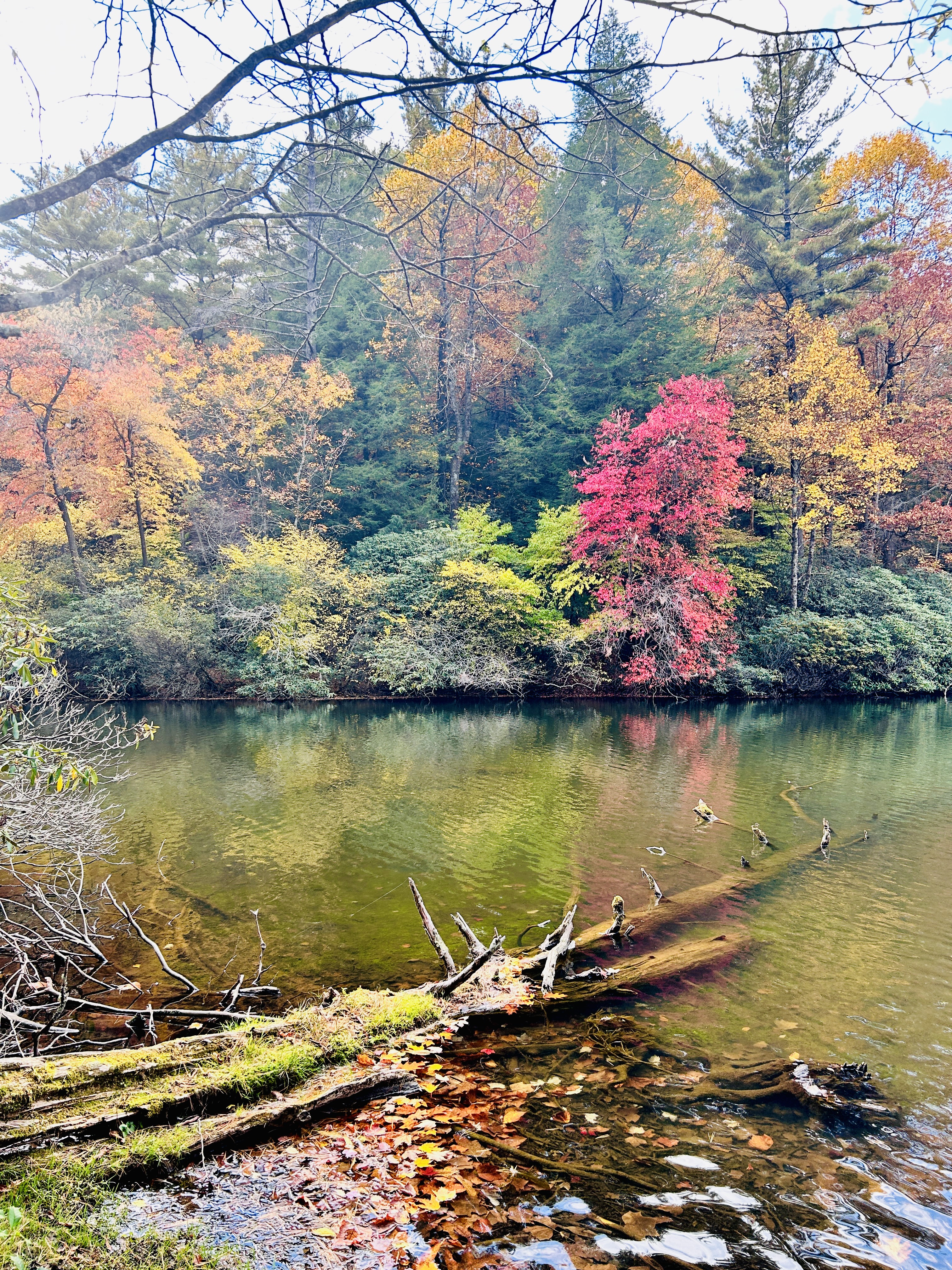
A flat mile around the highest lake in Georgia, at the top of the range.
1.2 mi loop | 42 ft | Easy
Conasauga River watershed
Seasons
Spring brings high water and rhododendron. Fall is cool and clear with long views. Winters are quiet.
River crossings
Trails here are designed to follow the rivers. Expect wet feet all day, every day. Plan accordingly.
Wilderness rules
Wilderness is lightly managed by design. Pack it in, pack it out. No bicycles. Leave no trace.
Stay near the trailheads
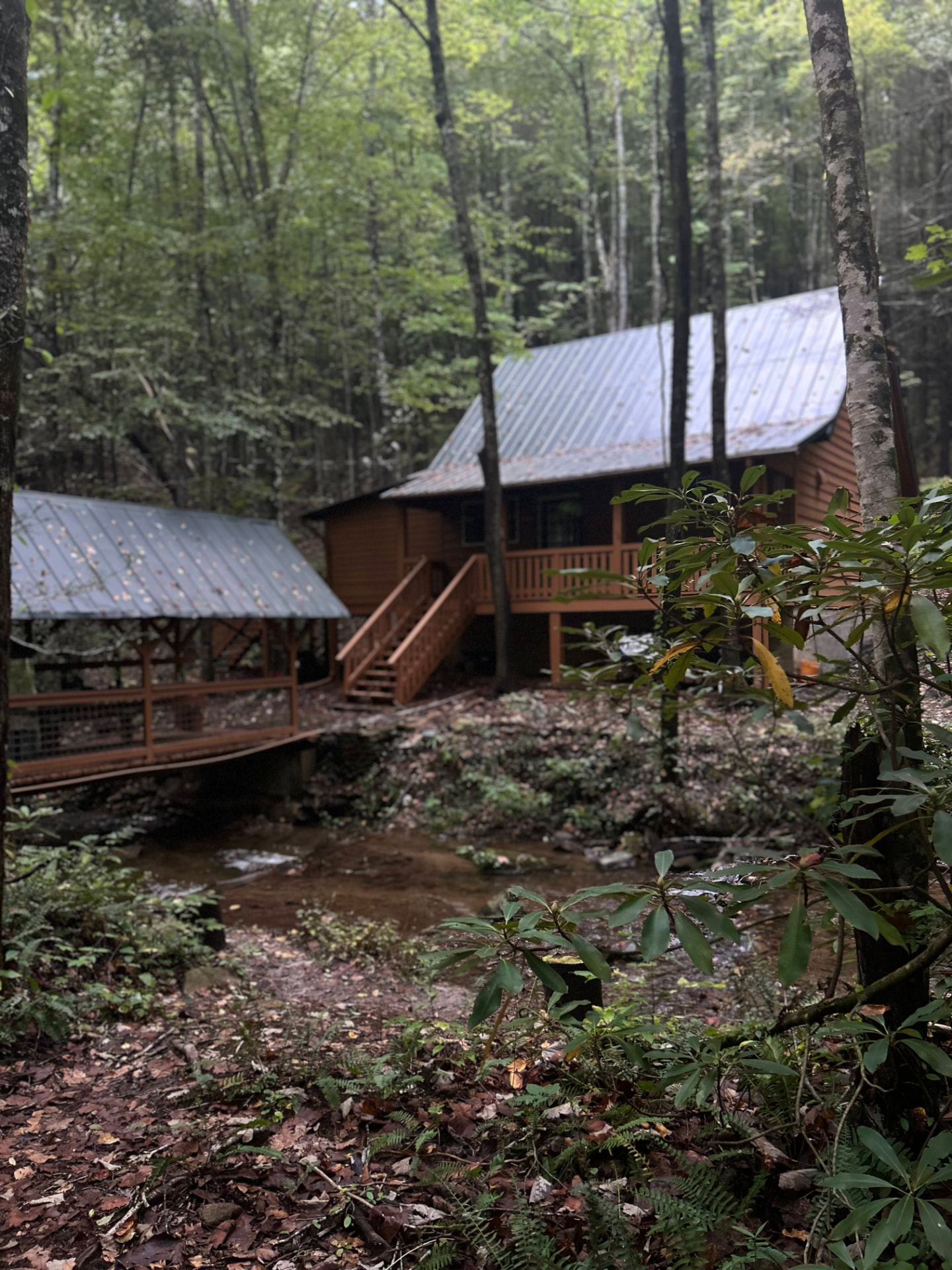
The drive in from Atlanta or Chattanooga is long enough that most people are better off sleeping near the gate than starting at 4 a.m. Sherpa Camp is a small cabin on Holly Creek, on the western edge of the Cohutta Wilderness, about 25 minutes from Ellijay. It sleeps five, with a covered porch, a firepit, and a creek. Cell service ends before you get there.
See Sherpa Camp